
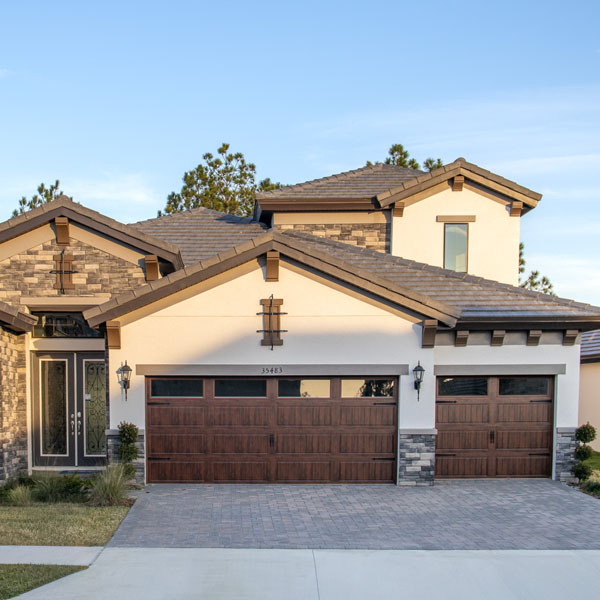
Overview
In this blog, Contemporary Stone Work, LLC explores the differences between modern and traditional brick paver designs, the strengths of each style, and how to decide which option best complements your home and landscape.
Highlights
- Modern brick paver designs
- Traditional brick paver designs
- Popular paver patterns
- Color and texture choices
- Blending design styles
- Matching your home's style
- Professional brick paver installation
Introduction
Choosing brick pavers involves more than selecting a material for your driveway, patio, or walkway. The design you choose also has a major impact on the overall look and feel of your outdoor space. While some homeowners gravitate toward sleek, contemporary layouts with clean lines and neutral colors, others prefer the warmth and character of traditional brick patterns that have remained popular for generations.
If you're unsure which style best suits your home, this guide will help you compare your options and make a more confident decision. You'll also learn how factors like pattern, color, texture, and your home's architecture can influence both the appearance and long-term performance of your hardscape.
Modern Brick Paver Designs
Modern brick paver designs emphasize simplicity, clean geometry, and visual consistency. Rather than creating intricate patterns or using highly textured materials, contemporary designs often focus on spacious layouts, crisp edges, and restrained color palettes. Many modern outdoor spaces borrow inspiration from contemporary architecture by creating open, uncluttered areas that blend seamlessly with the home's exterior.
Common characteristics include:
- Large-format pavers
- Neutral colors such as gray, charcoal, ivory, and white
- Minimal color variation
- Straight lines and geometric layouts
- Smooth or lightly textured finishes
The overall goal of modern brick paver installation is to create an elegant outdoor space that feels organized, sophisticated, and easy to maintain. The simplicity of these designs also makes them easier to coordinate with future additions, such as pergolas, outdoor kitchens, or expanded patio areas.
The Appeal of Large-Format Pavers
One of the biggest trends in modern hardscaping is the use of oversized pavers. Larger units reduce the number of visible joints, creating a cleaner appearance across patios and walkways. Fewer joints can also make outdoor entertaining areas appear more spacious, particularly when paired with simple furniture and minimalist landscaping.
Large pavers are especially common around pools, outdoor kitchens, and contemporary homes with expansive backyards.
Neutral Color Palettes in Modern Hardscaping
Neutral colors make it easier to update patio furniture, landscaping, or outdoor décor over time because they complement a wider range of materials and color schemes. Charcoal, slate gray, cream, beige, and soft white pavers pair well with materials like glass, steel, natural stone, and wood. These combinations create outdoor spaces that feel current without becoming overly decorative.
Traditional Brick Paver Designs
Traditional brick paver designs have remained popular for centuries because they create warmth, texture, and visual character. Inspired by historic streets, courtyards, and colonial architecture, these layouts feel welcoming and familiar. Rather than emphasizing minimalism, traditional designs celebrate craftsmanship through detailed laying patterns and rich, natural colors.
Classic brick pavers often feature:
- Warm red and brown tones
- Tumbled or textured finishes
- Smaller paver sizes
- Decorative borders
- Historic laying patterns
These elements give outdoor spaces a sense of permanence that many homeowners appreciate.
Rich Colors Add Depth and Character
Traditional brick pavers frequently incorporate several complementary colors instead of a single uniform shade. Blends of red, clay, brown, tan, and charcoal create natural variation throughout the installation, helping patios and walkways develop an aged, established appearance. This subtle variation also hides dust, dirt, and everyday wear better than solid-colored surfaces.
Texture Creates Visual Interest
Unlike smooth contemporary pavers, traditional products often feature weathered edges or textured finishes that mimic reclaimed brick or hand-cut stone. These details create shadows and variation that make the surface appear more natural while complementing mature landscaping and older homes.
Popular Brick Paver Installation Patterns
The installation pattern plays just as important a role as the paver itself. Even identical pavers can produce dramatically different appearances depending on how they're laid, helping define both modern and traditional brick paver designs. Several patterns remain popular because they combine attractive design with structural strength.
Running Bond
Running bond is one of the simplest and most recognizable brick patterns. Each row of pavers is laid parallel to the next, with every paver offset by about half the length of the one beside it, creating a staggered appearance similar to a traditional brick wall. Because of its roots in brick masonry, it creates a timeless, traditional look that's especially popular for walkways, patios, and garden paths. Its straightforward layout also makes individual pavers easy to replace if repairs are ever needed.
Herringbone
Herringbone is created by laying rectangular pavers at 45- or 90-degree angles so each paver meets the next at a right angle, forming a repeating zigzag pattern. This interlocking layout is one of the strongest available because it helps prevent the pavers from shifting under pressure. It's a popular choice for driveways and other high-traffic areas while adding a timeless decorative element.
Basket Weave
Basket weave alternates pairs of horizontal pavers with pairs of vertical pavers, creating the appearance of woven strips crossing over and under each other. The repeating square pattern gives patios and garden paths a traditional, old-world charm while adding visual texture without making the space feel busy.
Stack Bond
Stack bond places every paver directly in line with the ones above and beside it, creating perfectly straight horizontal and vertical joints that form a clean grid. The crisp, geometric appearance makes it a favorite for contemporary landscapes and large-format pavers. Because the joints don't interlock, this pattern relies on a stable base to maintain its appearance over time.
Circular or Fan Patterns
Circular and fan patterns arrange specially shaped or carefully cut pavers in curved rows that radiate outward from a central point, creating the look of expanding circles or decorative fans. These eye-catching designs are often used as focal points within larger patios, courtyards, or entryways. Although they require more precise installation and additional cutting, they create a distinctive custom appearance that stands out.
Choosing the Right Color and Texture
Color does more than influence appearance. It affects how large a space feels, how much heat the surface absorbs, and how well the pavers blend with surrounding features. Lighter-colored pavers can make smaller patios feel larger while reflecting more sunlight during hot weather. Darker colors create contrast and dramatic visual impact, but may absorb additional heat during the summer. Many homeowners find that combining complementary colors rather than choosing a single shade creates a more natural-looking installation.
Texture is equally important. Smooth finishes support contemporary aesthetics, while textured surfaces provide greater visual depth and additional traction during wet weather.
Blending Modern and Traditional Paver Styles
Modern and traditional brick paver designs don't have to be mutually exclusive. Many homeowners create outdoor spaces that borrow elements from both styles, resulting in a landscape that feels fresh while still maintaining warmth and character. A balanced approach can also help bridge the gap between newer hardscaping and an older home's existing architecture.
Combining Contemporary Layouts With Classic Details
One of the easiest ways to create a transitional design is by pairing a modern layout with traditional accents. For example, a sleek driveway can incorporate decorative brick bands that add texture without distracting from the overall design. These subtle details introduce visual interest while preserving the clean, organized appearance that modern landscapes are known for.
Mixing Colors and Textures
Blending styles isn't limited to installation patterns. Color and texture also play an important role in creating a cohesive design. A contemporary gray patio can feel more inviting with warm-toned border pavers, while textured or tumbled accent pieces can soften the appearance of smooth, large-format pavers. Combining complementary finishes creates depth and helps the hardscape transition naturally into surrounding landscaping, retaining walls, or garden beds.
Matching Brick Paver Designs to Your Home
Your home's architecture often provides the best starting point when selecting a paver design. Contemporary homes with large windows, flat rooflines, and minimalist landscaping often pair naturally with modern paver layouts featuring clean geometry and neutral colors. Traditional homes, craftsman residences, colonial architecture, and rustic properties frequently benefit from classic brick patterns and warmer color palettes that reinforce the home's existing character.
That said, there are no strict rules. A thoughtfully designed modern patio can create an attractive contrast behind a traditional home, while classic brick walkways can soften the appearance of newer construction. The key is to create balance among the hardscape, landscaping, and architectural details.
Professional Brick Paver Installation Matters Regardless of Design
Even the most attractive brick paver design depends on proper installation to achieve lasting results. A well-prepared base, effective drainage, and precise paver placement help minimize settling, shifting, and uneven surfaces over time. Whether you choose a modern or traditional design, quality installation helps ensure your hardscape remains both attractive and durable for years to come.
Upgrade Your Property With Professional Brick Paver Installation Service
Choosing between modern and traditional brick paver designs comes down to your home's architecture, your personal style, and how you plan to use your outdoor space. Modern layouts create clean, sophisticated outdoor spaces, while traditional designs provide warmth, character, and timeless appeal.
Whether you're planning a new patio, driveway, pool deck, or garden walkway, Contemporary Stone Work, LLC can help you explore brick paver designs that balance beauty, durability, and long-term value. Contact us today at (813) 944-8681 to discuss your project and discover which design style is the perfect fit for your home.