
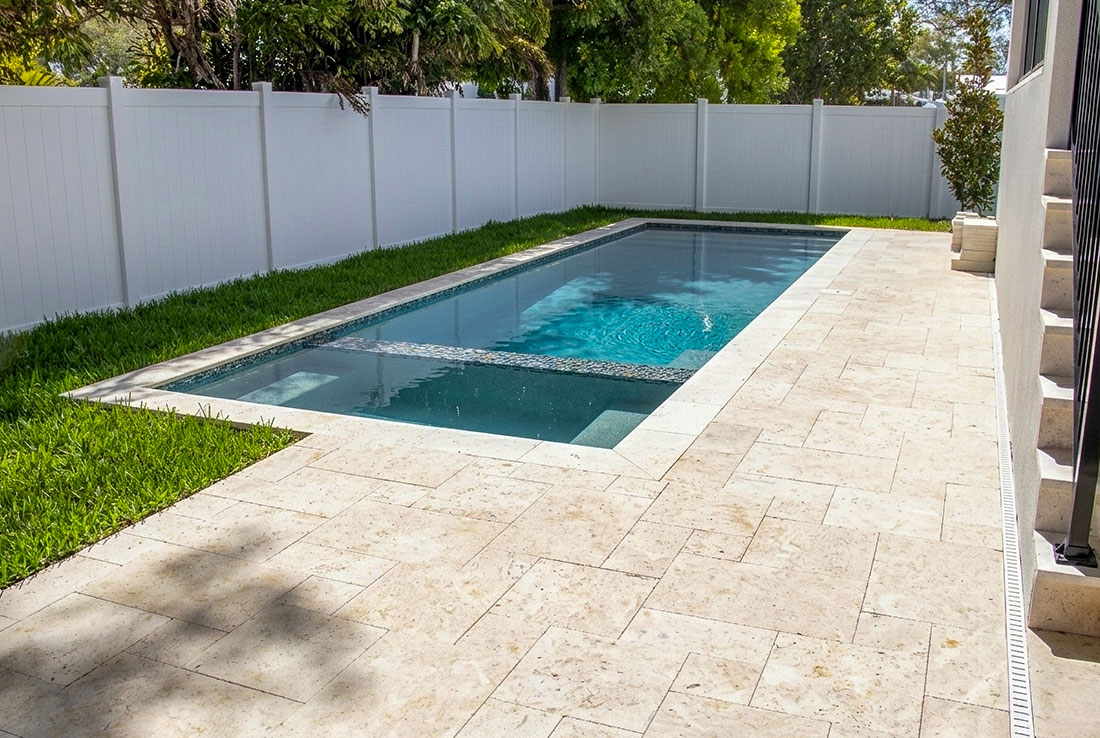
Overview
When planning a new paver patio, it’s easy to focus on the finished space without considering the many decisions that shape the final result. In this post, Contemporary Stone Work, LLC’s paver specialists discuss materials, layouts, and paver installation methods to help you create an outdoor space that's both visually appealing and durable.
Highlights
- Pavers and the Florida climate
- Choosing patio paver materials
- Comparing paver patterns
- Understanding paver installation
Introduction
Installing a new patio is an exciting way to enhance your outdoor living space, but choosing the right design involves more than picking a style you like. Material options, layout patterns, drainage considerations, and installation methods can all influence how your patio looks, performs, and ages over time.
Whether you're creating a space for entertaining, relaxing, or improving your property's curb appeal, understanding the factors that affect a paver installation can help you make more informed decisions. In this blog, we'll explore the materials, design options, and installation considerations that can help you plan a durable and attractive paver patio.
Are Pavers a Good Material for Patios in Florida?
Pavers are among the best materials for patio construction, offering durability and plenty of design options. Available in a variety of materials, colors, textures, and patterns, they can be customized to suit almost any outdoor space.
They're also a practical choice for Florida's climate. Unlike large concrete slabs, individual pavers can better handle minor ground movement, reducing the risk of noticeable cracking over time. Their jointed design also helps manage water more effectively during heavy rainfall.
With the right materials and installation, a paver patio can provide years of dependable performance while adding character to your outdoor living area.
How Do You Choose the Right Pavers for Your Patio?
When planning a paver patio, you'll typically encounter three main options: clay, concrete, and natural stone. Each offers a distinct appearance and set of advantages, but the right choice depends on your design goals, budget, and performance expectations.
When selecting a material, you should consider:
- Upfront installation costs
- Long-term durability
- Maintenance requirements
- Ease of future repairs
- Slip resistance when wet
- Surface temperature in direct sunlight
Understanding how these factors align with your goals can help you make a more informed material selection.
Clay Brick Pavers
Clay brick pavers are made from natural clay that's molded and fired at high temperatures to create a durable paving material. Rich earth tones and subtle color variations give them a timeless character that works particularly well with traditional architecture, though they're versatile enough to complement a range of design styles.
They also require relatively little maintenance to preserve their appearance. Regular cleaning and occasional joint sand replenishment are often enough to keep the surface looking its best. Combined with their longevity and enduring visual appeal, this makes them a worthwhile long-term investment for many property owners.
Concrete Pavers
Concrete pavers are manufactured from a mixture of cement, aggregates, and pigments, creating a durable and versatile material for patio construction.
They're available in a wide range of colors, shapes, textures, and finishes, making it easier to achieve a specific architectural style or complement existing hardscape features. Their broad range of design options allows homeowners to create a customized outdoor space without sacrificing practicality.
They also offer a practical balance of maintenance and value. Routine cleaning and occasional upkeep are typically enough to preserve their appearance, while their relatively affordable price point makes them an attractive option for a variety of budgets.
Natural Stone Pavers
Natural stone pavers are cut from quarried stone, making each piece unique in its color, texture, and character. Common options include travertine, limestone, granite, and flagstone, each offering its own distinct appearance.
Variations in tone, pattern, and surface texture create a level of visual depth that manufactured materials often can't replicate, making them a popular choice for high-end patio designs.
They typically require more investment than other paving materials, but many property owners consider the added cost worthwhile for their aesthetic qualities. With routine cleaning and proper care, they can maintain their appearance for years while providing a timeless, upscale look.
Which Paver Patio Patterns Should You Consider?
Once you've selected your patio paver material, the next decision is how it'll be laid. Different patterns create different visual effects, making layout an important consideration in the overall design.
Some patterns emphasize structure and movement, such as herringbone, while others, like basketweave and cobblestone-inspired layouts, create a more traditional appearance. Each brings its own character to the space and can influence how formal, casual, or visually dynamic the patio feels.
The right layout design should complement your property's architecture and support the overall vision for the space.
Herringbone Paver Pattern
The herringbone paver pattern is created by laying pavers at alternating 45- or 90-degree angles, producing a distinctive interlocking design. Its structured appearance makes it a popular choice for both traditional and contemporary patio layouts.
The interlocking arrangement helps evenly distribute weight across the surface, making it well-suited for larger patios, outdoor entertaining areas, and spaces with frequent foot traffic.
It can also help reduce the appearance of minor shifting over time when installed properly. For property owners seeking a balance of visual interest and long-term performance, this option remains one of the most practical layouts.
Cobblestone Paver Pattern
The cobblestone paver pattern replicates the appearance of traditional cobblestone streets, giving patios a distinctive sense of character and texture. Its timeless aesthetic makes it a popular choice for rustic and historic-inspired outdoor spaces.
This layout is often well-suited for smaller patios, garden pathways, and intimate seating areas where visual detail can have a greater impact. The varied appearance of the pattern can also help soften large expanses of hardscape and create a more natural feel.
Its irregular look helps conceal minor wear and debris, making it a practical option for high-traffic outdoor spaces.
Basket Weave Paver Pattern
The basketweave paver pattern is created by arranging pairs of pavers at right angles, producing a woven appearance reminiscent of traditional brickwork. Its classic look has made it a longstanding choice for patios, courtyards, and garden spaces.
This pattern is often best suited for smaller to medium-sized patios where its distinctive layout can be fully appreciated. It pairs particularly well with traditional architecture and landscapes that emphasize symmetry or historic character.
This option’s compact, repeating layout can help larger pavers feel less imposing and add detail without requiring multiple materials or colors.
How Do You Lay Pavers?
Once you've selected your material and design, the next step is understanding how to properly lay pavers. While the process involves several stages, every successful installation relies on careful preparation, a stable foundation, and attention to detail throughout construction.
Here are the steps involved:
- Site preparation: Measuring the area, excavating the surface, and establishing proper grading
- Base installation: Adding aggregate, compacting the material, and creating a stable foundation
- Bedding layer placement: Spreading sand, leveling the surface, and preparing for installation
- Paver installation: Arranging the pattern, aligning the pavers, and securing the perimeter
- Surface finishing: Applying joint sand, compacting the installation, and making final adjustments
Although the details may slightly vary from one project to the next, the principles behind a successful paver installation remain the same.
How Deep Do You Have To Dig To Install Pavers?
When installing pavers, you typically need to excavate the area deep enough to accommodate the aggregate base, bedding layer, and pavers while maintaining proper grading.
The exact depth can vary depending on factors such as soil conditions, drainage requirements, and the intended use of the finished surface. For example, a patio intended for everyday foot traffic may have different excavation requirements than a surface expected to support heavier loads.
Since the foundation serves as the support system for the entire installation, proper excavation is essential to long-term stability and performance. Professional installation services can help ensure the area is prepared in accordance with site-specific conditions and project requirements.
Why Is Professional Paver Installation Important?
Professional paver installation is important because a patio's long-term performance depends on the quality of the work beneath the surface.
Proper grading, foundation preparation, and pattern alignment all contribute to the finished result while helping create a stable, functional outdoor space. When these elements are overlooked, issues such as uneven surfaces, poor drainage, and premature wear can develop over time.
Experienced contractors can also help guide material selections, layout decisions, and project planning, ensuring the finished patio aligns with the property's needs and the owner's vision.
Transform Your Outdoor Living Space With Pavers
When you’re considering installing pavers for your patio, Contemporary Stone Work, LLC can help you navigate the many decisions that shape the finished project. From selecting the right materials and design patterns to ensuring proper installation. Thoughtful planning can go a long way toward creating an outdoor living space that complements your property. Our team takes pride in helping property owners navigate the planning process with confidence, from the earliest design considerations to the final installation.
Whether you’re exploring ideas or preparing to begin construction, we’re here to help. Call (813) 944-8681 today to learn more about our paver installation services.